The healing properties of food, grounded in research.
If you are not yet subscribed, you can join the Sunday morning read by clicking below.
Sunday, 28 December 2025
Curcumin is the bioactive component in turmeric and it benefits the brain. A study in Korea showed that brain cancer cells exposed to curcumin triggered an epigenetic effect that caused the cancer cells to die. Equally, healthy neural stem cells in the brain were stimulated to grow into mature normal neurons.
Take a look at my Power Tea video from last week (on my social media platforms), which includes turmeric and other spices with health benefits.
Sunday, 21 December 2025
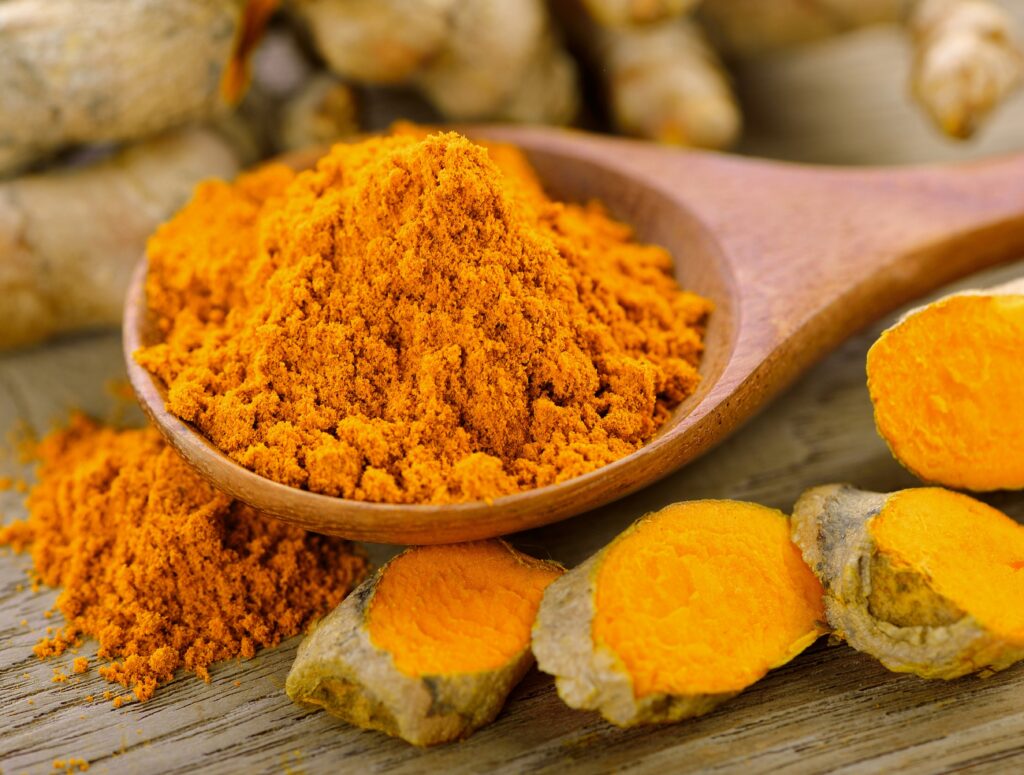
Continuing to look at the health benefits of turmeric from last week, the epigenetic effects of curcumin increase the activity of tumour suppressor genes known to counter the growth of colon cancer and leukaemia. Curcumin is the bioactive component in turmeric and has anti-inflammatory, antioxidant, antiangiogenic and pro-regenerative properties.
Curcumin also protects the health of your blood vessels. A study in China on lab rats with hypertension found that curcumin reduced injury to the coronary blood vessels feeding the heart by allowing their genes to produce a protein which reduces inflammation.
Sunday, 14 December 2025
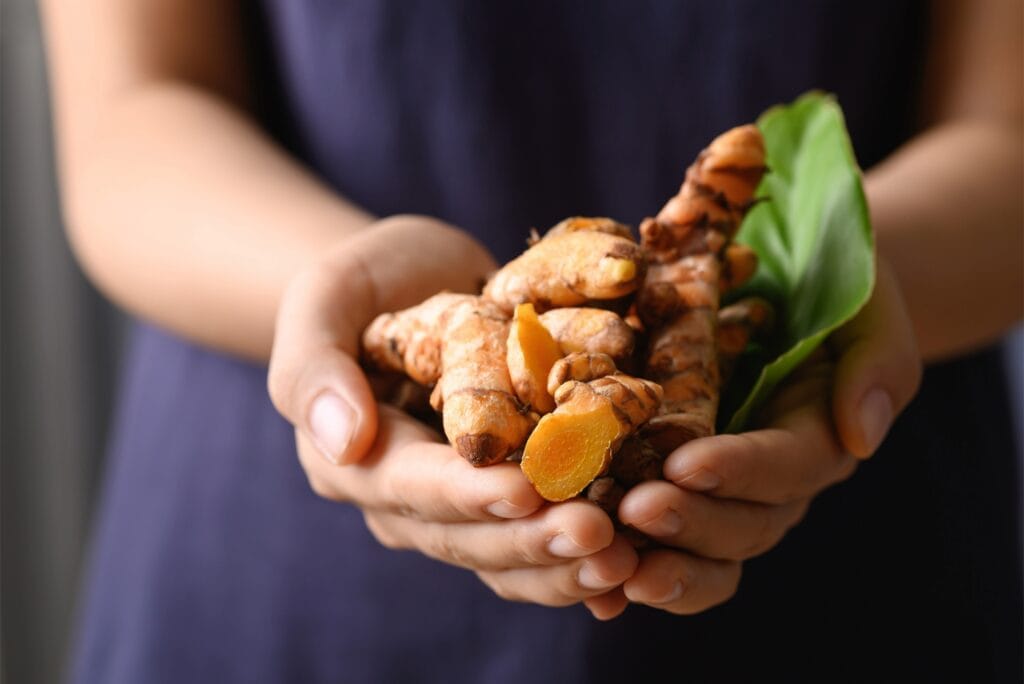
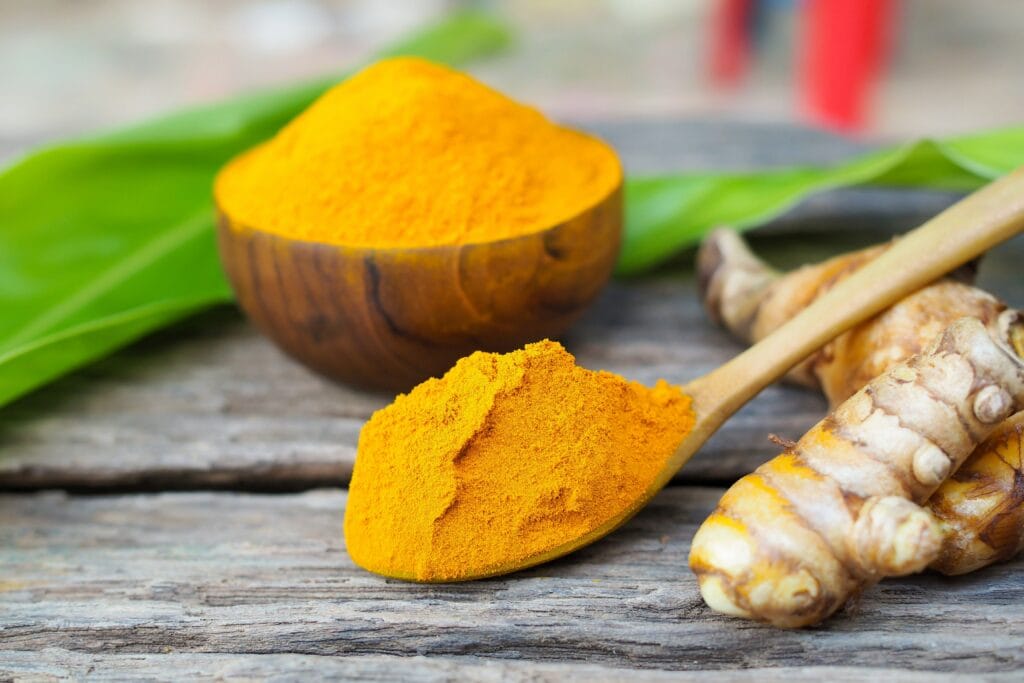
Turmeric is a tropical plant whose underground stems are harvested. It is part of the ginger family and ground down into a bright orange powder. It is commonly used as a spice in food, in mustard for colour and in traditional Ayurvedic medicine. It has numerous health benefits and I will unpack these over the next few weeks.
The bioactive component in turmeric is curcumin, which has anti-inflammatory, antioxidant, antiangiogenic and pro-regenerative properties.
A study in China on diabetic mice with poor leg circulation revealed that blood flow to the leg dramatically improved after consuming curcumin every day for two weeks. People with diabetes may want to include turmeric in their diet through their choice of meals and beverages.
Sunday, 7 December 2025
In a month where we often run from one social gathering to another, I want to touch on the importance of hydration. Yes, that’s right, drinking water. The cells in your body are like tiny chemistry labs with millions of microscopic chemical reactions happening every day. They turn food into energy, regulate hormones, burn fat and run your detox pathways – none of which happen efficiently without hydration.
Even slight dehydration causes your metabolic rate to slow, fat burning to decrease, detox pathways to become clogged, increased inflammation in the body, blood sugar levels become harder to control and cravings increase. Adding to that, your brain interprets dehydration as danger and it releases cortisol, the stress hormone. If cortisol is not used, it increases belly fat, dysregulates your mood and disrupts your sleep.
The signals for hunger and thirst both come from the same part of the brain, the hypothalamus. So, dehydration can show up as sugar cravings, emotional eating and carb cravings at night. Sodium, potassium and magnesium (electrolytes) support cellular hydration by drawing water into the cells. A couple of easy options to increase your electrolyte intake include coconut water, which contains potassium, and water with fresh lemon and Himalayan salt, for a simple mineral boost.