Lifestyle topics grounded in the science of how we live and work.
If you are not yet subscribed, you can join the Sunday morning read by clicking below.
Sunday, 25 January 2026
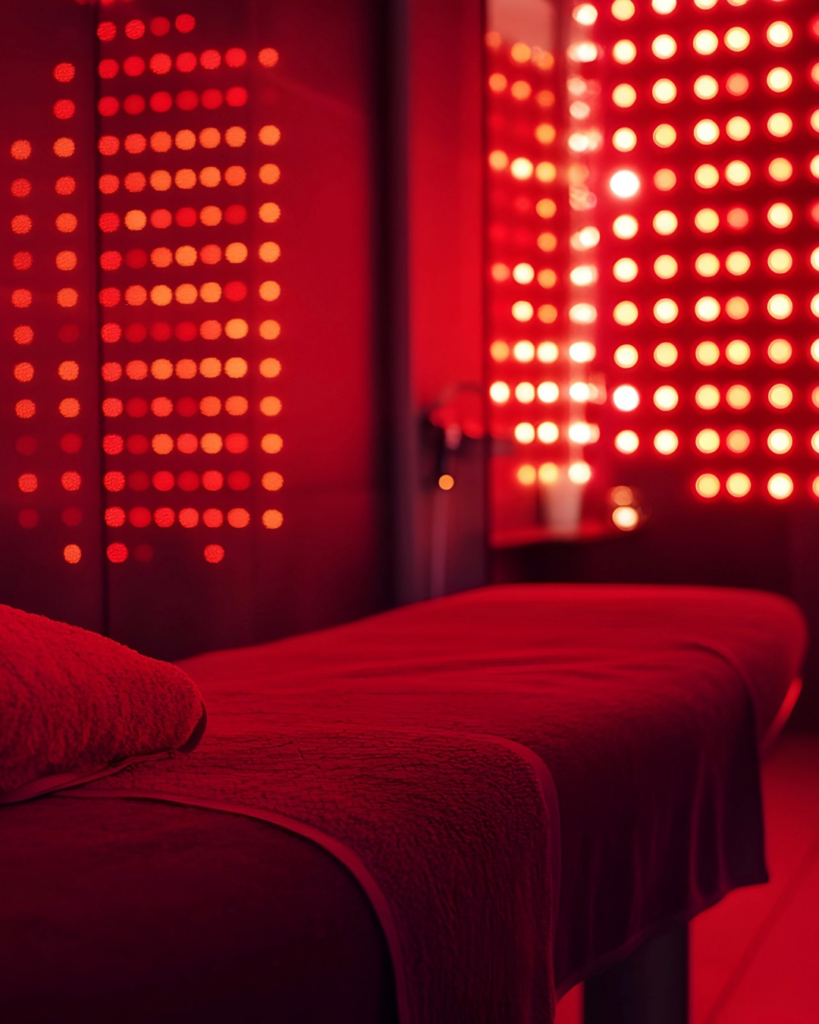
Over the next few weeks, I am going to explore the health benefits of red light therapy. Red light and near-infrared light is a significant source of therapeutic radiation offered by the sun. Red light therapy, through the use of red light panels, mimic the sun’s red hue and trigger the same responses in the body. Red light therapy is an FDA approved treatment. It is a form of therapy that delivers energy to cells by applying a range of visible and invisible wavelengths of light.
Obesity is a global health crisis with 1 in 8 represented worldwide in 2022. Obesity increases the risk of heart disease, type 2 diabetes, stroke and cancer. Several studies have reported a significant reduction in body fat through the use of red light therapy.
In 2015 a team of researchers in Brazil tested the effects of near-infrared light (808nm) on 64 obese women over a 20-week period. All women received the same amount of aerobic and strength training and half of the women received red light therapy. By the end of the study, the women who received red light therapy doubled the amount of fat loss, plus reported a greater increase in skeletal muscle mass.
In 2013, an independent physician-led trial in the US tested the use of red light (635nm) on 8 obese patients over a two-week period. The patients received 20 minutes of red light therapy every second day on their waist, hips and thighs. One week after treatment ended, the physicians reported a 2.99 inch / 7.59 cm reduction in fat on the treated areas.
Red light panels are readily available and contain both red light and near-infrared light bulbs. The best therapeutic range in scientific research is as follows:
– Red light: 620-700nm
– Near-Infrared light: 700-1,000nm
Sunday, 18 January 2026
Ancient Egyptians constructed solariums fitted with coloured glass to harness specific colours of the visible spectrum to heal disease, targeting the health of cells in the body. When cellular health is in peak condition, when your cells have everything they need to function properly, you are healthy.
You are most likely aware that sunlight stimulates the production of Vitamin D in the body as it is a rich source of UVB radiation, which converts cholesterol in the skin into Vitamin D. Red light and near-infrared light is another significant source of therapeutic radiation offered by the sun. Dr Ray Peat, a biologist and physiologist known for his pro-metabolic approach to health, theorised that red light and near-infrared light could be “the fundamental anti-stress factor for all organisms.”
Red light therapy, through the use of red light panels, mimic the sun’s red hue and trigger the same responses in the body. While the sunlight contains ultraviolet light that can burn the skin, red light and near-infrared light actually protect the skin from sunburn.
Red light therapy is an FDA approved treatment. It is a form of therapy that delivers energy to cells by applying a range of visible and invisible wavelengths of light. Red light is thought of as one of the essential nutrients required by every cell in the body.
Near-infrared light is another form of electromagnetic radiation that is similar to red light in both frequency and health benefits for the body. Red light panels are readily available and contain both red light and near-infrared light bulbs.
The best therapeutic range in scientific research is as follows:
– Red light: 620-700nm
– Near-Infrared light: 700-1,000nm
Sunday, 11 January 2026
In the last few issues, I have explored how you can use sunlight to help regulate your sleeping patterns (your circadian clock). Circadian dysregulation causes inflammation of the brain and oxidative stress. Oxidative stress accelerates the aging process and can contribute to health complications.
The red light from the rising sun triggers sensors in your eyes to turn melatonin off and Cortisol on, to get you moving. The sunlight around 1:00pm – 2:00pm in the day is a full spectrum of blue light and tells your body it’s the middle of the day. The setting sun emits a red hue in the sky and triggers a winding down process in your body. Cortisol shuts down, your cells become more insulin resistant, and melatonin starts to drip into your system so that you become sleepy and ready for bed.
But what if you don’t see the sun?
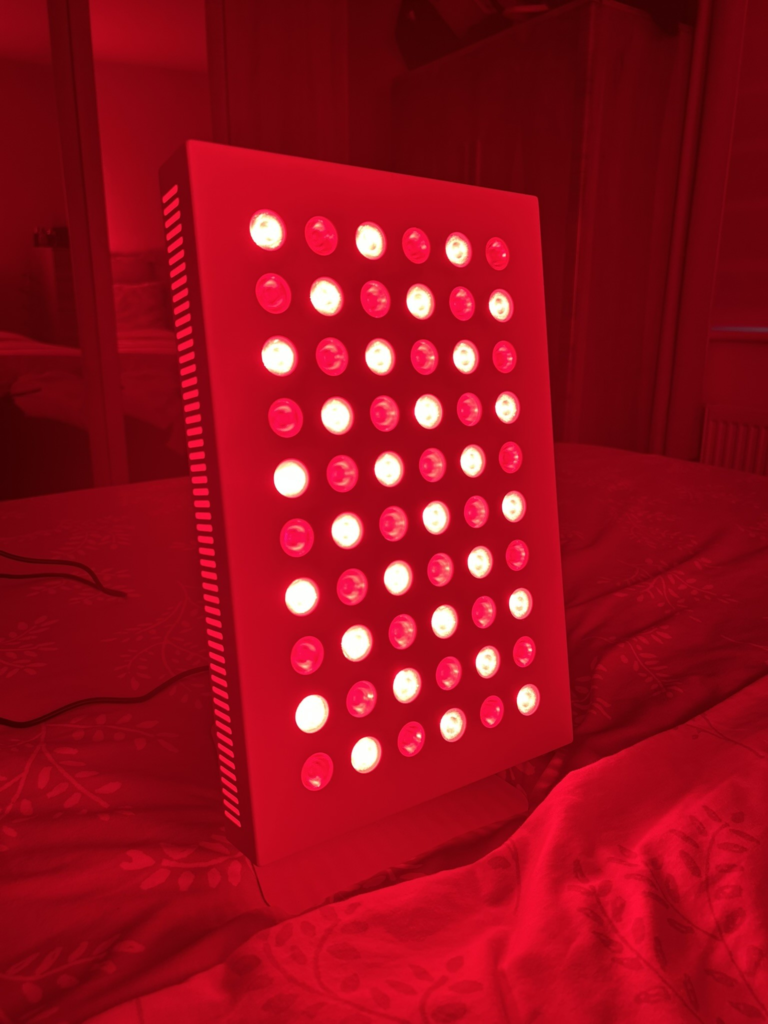
Red light bulbs mimic the sun’s red hue and trigger the same responses in the body. If you cannot see the sun, you can use a red light panel, with red light and near-infrared light bulbs, to support your circadian regulation.
Ancient Egyptians constructed solariums fitted with coloured glass to harness specific colours of the visible spectrum to heal disease.
Red light therapy is an FDA approved treatment. It is a form of therapy that delivers energy to cells by applying a range of visible and invisible wavelengths of light. Red light panels come in various sizes making it easy for you to store in your home and include in your daily routine.
The best therapeutic range in scientific research is as follows:
– Red light: 620-700nm
– Near-Infrared light: 700-1,000nm
Sunday, 4 January 2026
This is the third part in looking at how you can use light in your lifestyle to regulate your circadian clock, so your body knows what time of day it is. The setting sun emits a red hue in the sky and triggers a winding down process in your body. Cortisol shuts down, your cells become more insulin resistant, and melatonin starts to drip into your system so that when it is dark, you are sleepy and ready for bed.
Circadian dysregulation causes inflammation of the brain and oxidative stress. Oxidative stress accelerates the aging process and can contribute to health complications. Rather than reaching for sleeping tablets, which are often packaged with synthetic components, consider lifestyle choices that support a good sleeping pattern.