The healing properties of food, grounded in research.
If you are not yet subscribed, you can join the Sunday morning read by clicking below.
Sunday, 31 May 2026
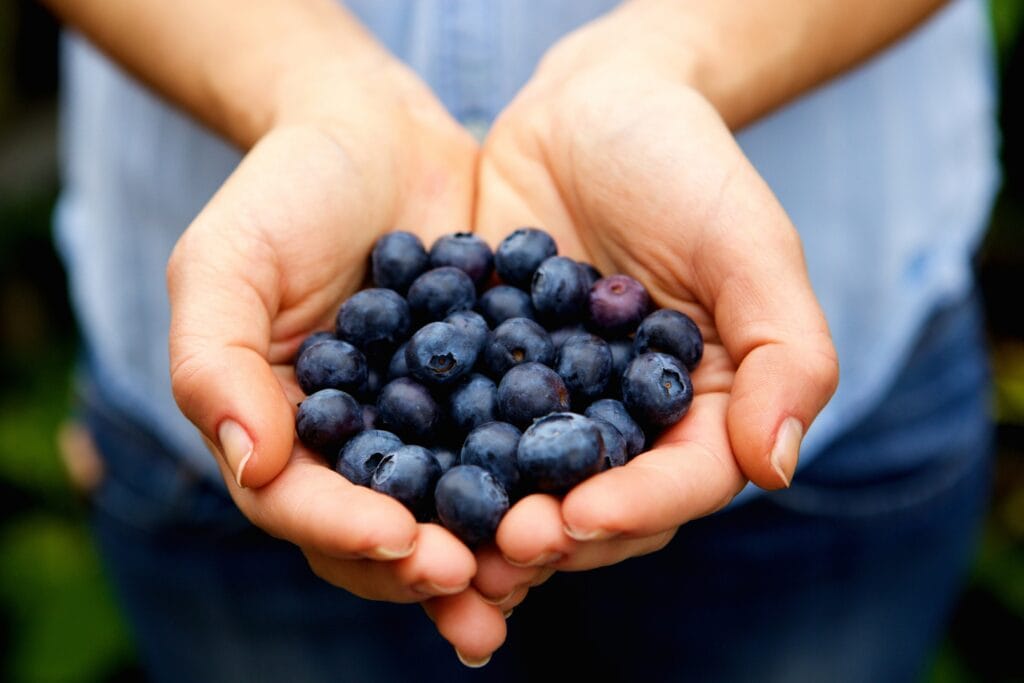
Blueberries are one of the most researched fruits in nutritional science, and the evidence is consistent enough to be worth paying attention to. They are at their best in UK season from June through August. Small, unpretentious, and quietly doing a significant amount of work.
The active compounds are anthocyanins, the pigments that give blueberries their colour. These cross the blood-brain barrier (which relatively few dietary compounds do) and have been shown in multiple studies to improve memory, processing speed and attention, particularly in adults experiencing cognitive fatigue.
A 2023 review in the American Journal of Clinical Nutrition found regular blueberry consumption associated with measurable improvements in cognitive function in middle-aged adults. They also reduce oxidative stress and inflammation, support cardiovascular health, and have a low glycaemic index, meaning they support rather than disrupt blood sugar stability.
A handful daily is enough to be meaningful while in season.
Sunday, 24 May 2026
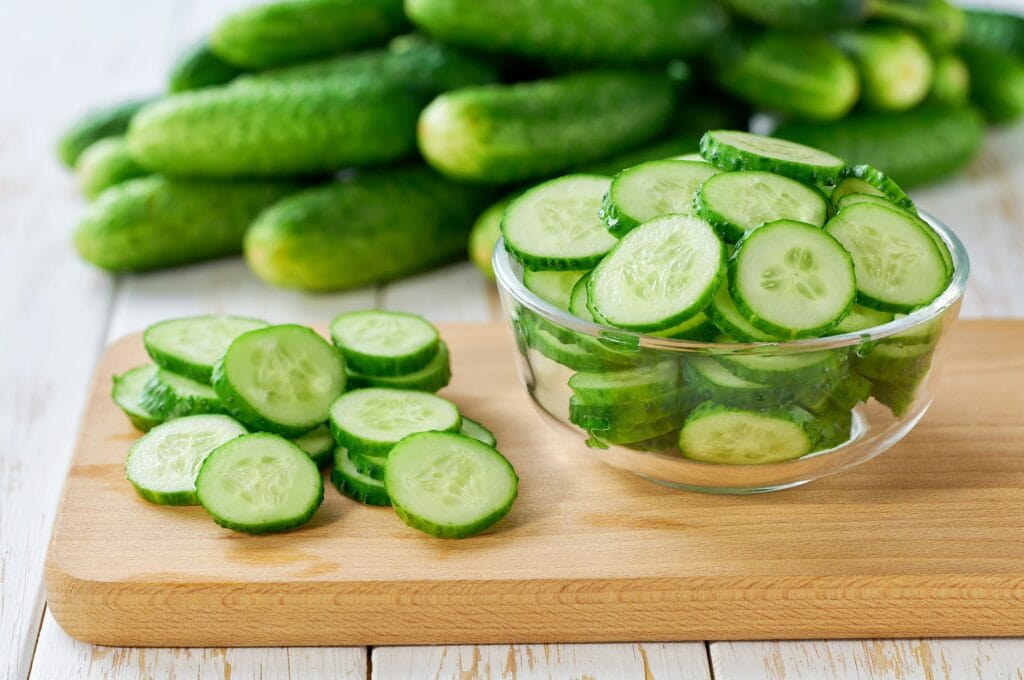
Cucumber is 96% water, which makes it the most hydrating whole food you can eat, and given this week’s theme, one of the most immediately relevant additions to your diet as the weather warms. But its nutritional profile goes beyond water content, and that is what makes it worth a closer look.
Cucumbers contain silica, a trace mineral that supports connective tissue integrity, skin barrier function and joint health. Silica tends to be underrepresented in Western diets, and cucumber is one of the most accessible dietary sources of it. They also contain potassium, a key electrolyte involved in fluid regulation and nerve function, alongside small amounts of vitamins C and K, and mild anti-inflammatory compounds.
In practice, cucumber is one of the simplest foods to include daily. Sliced with houmous, added to water with lemon and mint, or alongside a protein source at lunch. No preparation, no cooking, and in peak UK season from now through the summer.
Sunday, 17 May 2026
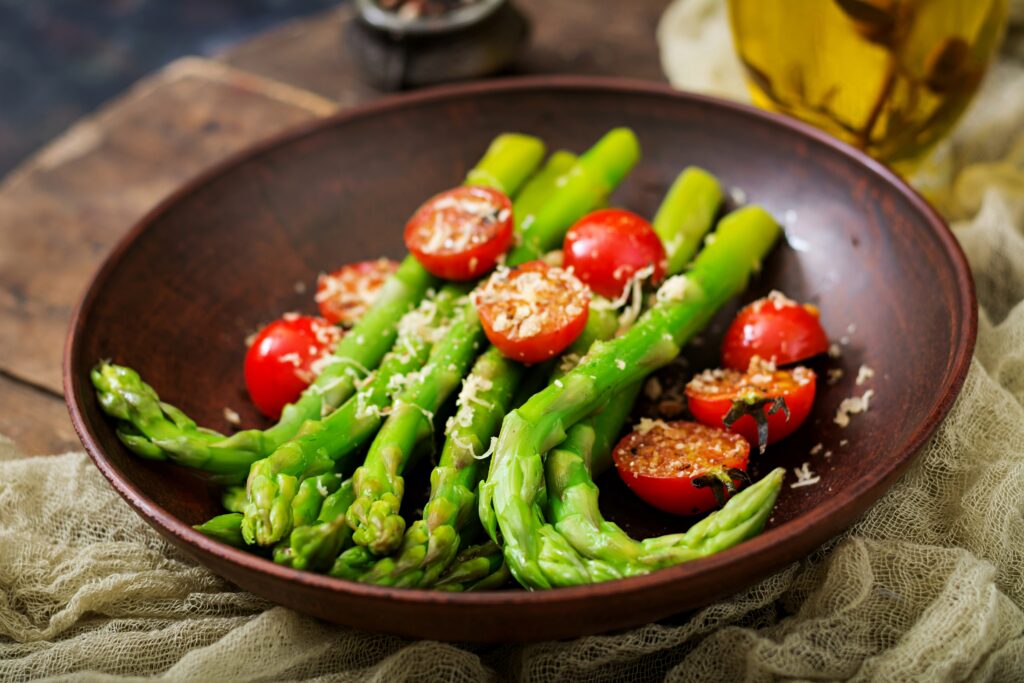
Asparagus has a short season (in the UK it’s late April through to the end of June), and it is worth making the most of it while it is here.
It is one of the richest dietary sources of inulin, a type of fibre with a specific job: it does not feed you, it feeds the bacteria in your gut. That distinction matters. Probiotics (found in fermented foods like kefir and live yoghurt) introduce beneficial bacteria into the microbiome. Inulin is what keeps them there, feeding what is already present and helping it to thrive.
Asparagus is also a good source of folate, which plays a quiet but consistent role in mood regulation and energy production, and contains glutathione, one of the body’s most important antioxidants, involved in cellular repair and immune function.
One practical note on preparation: lightly roasted, steamed, or quickly stir-fried is best. Keep some bite in it. Boiling reduces the inulin content most significantly, which is the main reason to include it. Add to your meals as often as you like while the season lasts.
Sunday, 10 May 2026
The gut microbiome (the community of bacteria and other organisms living in the digestive tract) is now understood as far more than a digestive system. It influences immune function, mood, brain fog, inflammatory load, and the quality of your thinking by mid-morning. It is one of the most researched areas in health science right now, and the practical guidance is becoming clearer.
A landmark study at Stanford, published in the journal Cell, compared a high-fibre diet with a diet high in fermented foods over ten weeks. The fermented food group showed significantly greater increases in microbiome diversity, and reductions in 19 inflammatory proteins, including markers associated with chronic stress and metabolic disease. The high-fibre group, notably, showed no such reductions without the fermentation. One serving of fermented food daily was the consistent threshold at which benefits became measurable.
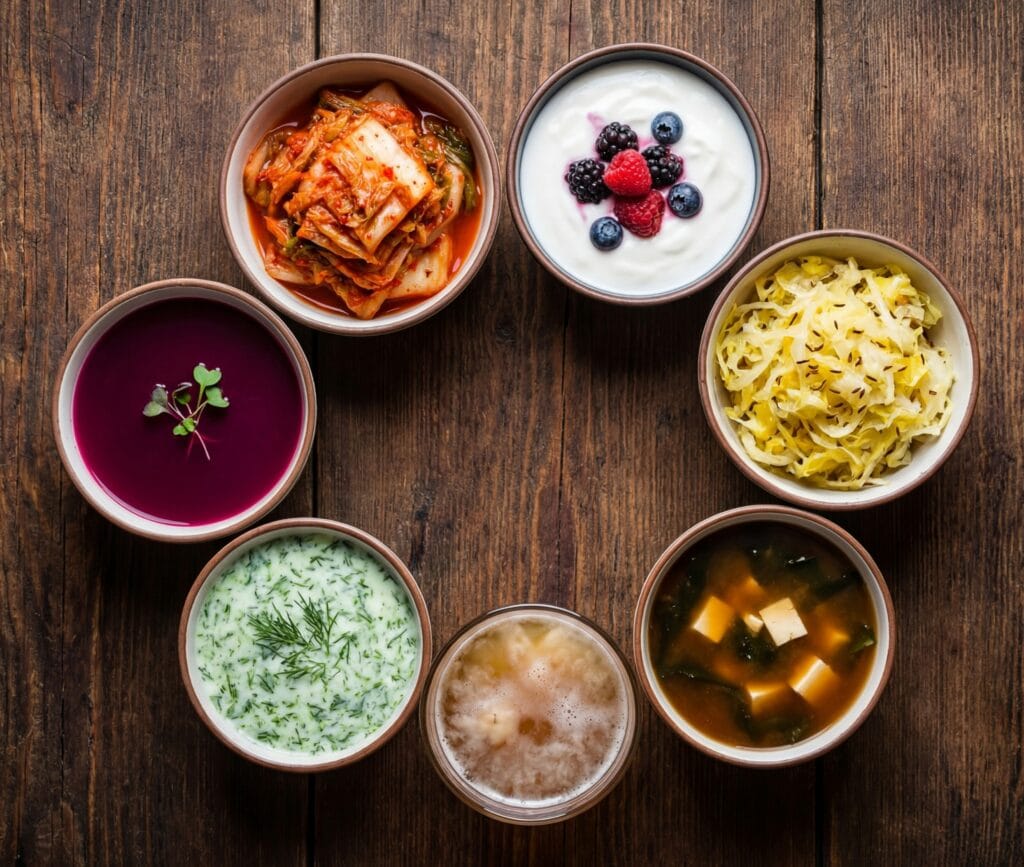
Fermented options are more accessible than they sound: live yoghurt, kefir, kimchi, sauerkraut (unpasteurised, as pasteurisation kills the bacteria), kombucha and miso.
You do not need all of them. One serving, daily, chosen from whatever you will genuinely eat. The microbiome is not slow to respond. Dietary change registers within days, not months. That is the part most people do not expect, and the part that makes this one of the more immediately rewarding things you can do.
Sunday, 3 May 2026
There are not many foods that instantly make people feel better emotionally and are genuinely good for them. Dark chocolate (the real kind, 70% cacao and above) is one of them, and the evidence is more compelling than most people expect. Cacao contains flavonoids that increase cerebral blood flow and support serotonin production (the happy hormone). It is one of the richest dietary sources of magnesium, which plays a direct role in regulating the stress response and supporting sleep. It also contains small amounts of theobromine, a mild stimulant with a gentler, longer-lasting effect than caffeine.
One study, published and peer-reviewed, gave highly stressed participants 40 grams of dark chocolate daily for two weeks. Urinary cortisol and adrenaline levels (both measurable markers of physiological stress) were significantly reduced by the end of the study. This is not marketing. It is a mechanism: the flavonoids in cacao modulate the HPA axis, the same cortisol-regulating system the nervous system series discussed at length.
The practical note: quality matters. A standard milk chocolate bar shares very little with a high-cacao dark chocolate. Look for 70% minimum, ideally 85%. One or two squares in the afternoon (or maybe a hot chocolate), with intention rather than guilt, is both evidence-backed and, I think, a reasonable act of self-respect.