The healing properties of food, grounded in research.
If you are not yet subscribed, you can join the Sunday morning read by clicking below.
Sunday, 30 August 2026
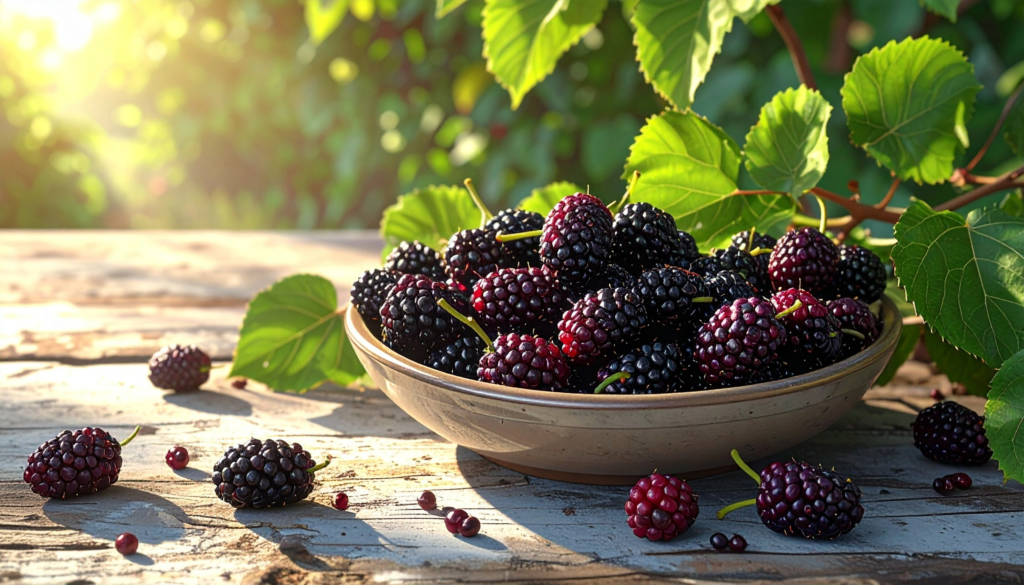
Blackberries are at their peak from late August into September, which makes them one of the natural transition foods between summer and autumn. They carry one of the richest polyphenol profiles of any commonly eaten berry, particularly anthocyanins, ellagic acid, and quercetin. Each of these has been consistently associated with antioxidant protection, cardiovascular benefit, and reduced markers of inflammation.
Something worth knowing that most people do not: the ellagic acid in blackberries is metabolised by gut bacteria into a class of compounds called urolithins. These have growing evidence for a role in cellular repair and mitochondrial function. The benefit you get from blackberries depends partly on the state of your gut microbiome, and eating them regularly feeds the beneficial gut bacteria, supporting the whole cycle.
They are also the easiest of the late-summer fruits to gather yourself. Wild blackberries grow along hedgerows, footpaths, and the edges of fields through August and September in the northern hemisphere. Choose brambles away from busy roads, rinse them well, and enjoy one of the small quiet pleasures of the season turning.
Sunday, 23 August 2026
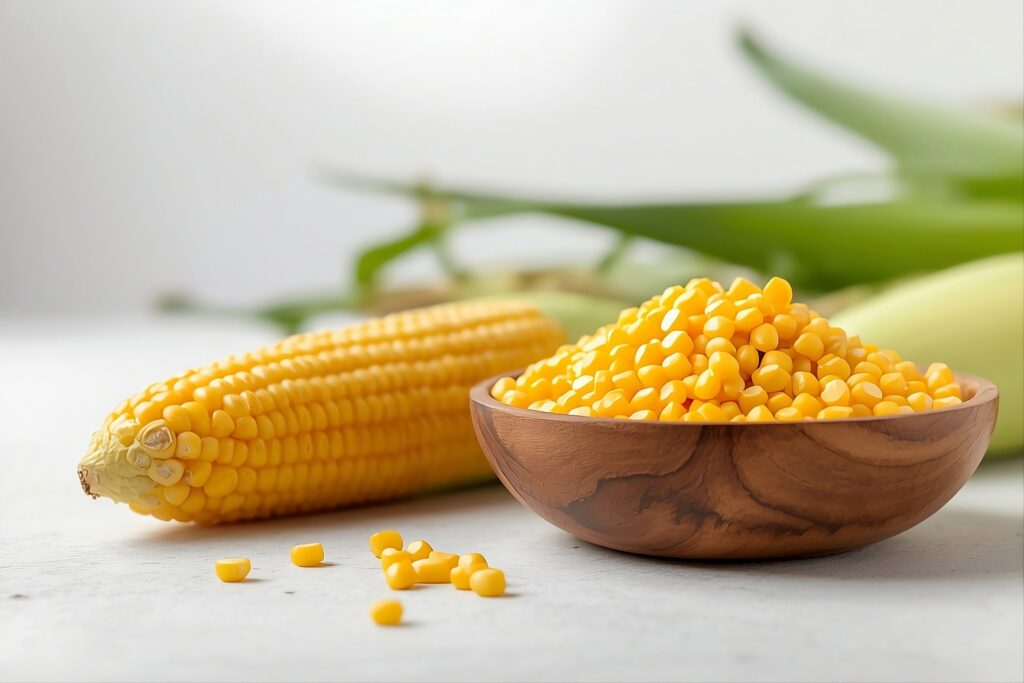
Sweetcorn is at its peak through August and September, and it carries a nutrient profile that becomes particularly relevant as the year turns. It provides complex carbohydrates for sustained energy, both soluble and insoluble fibre, folate, and small amounts of magnesium and potassium. But the compounds worth highlighting are lutein and zeaxanthin, two carotenoids that the body transports specifically to the eye, where they accumulate in the retina and support long-term ocular health.
These are not obscure nutrients. They accumulate in the macula, the central part of the retina responsible for detailed vision, and research consistently shows that higher dietary intake is associated with a reduced risk of age-related macular degeneration and cataracts. They also filter high-energy blue light, which is directly relevant given how many hours the modern working day is spent in front of screens. Most people fall well below the recommended intake, and food sources are the most reliable way to address it.
Eaten simply, boiled or grilled on the cob with a little butter or olive oil is the traditional and still best approach. Like other carotenoids, lutein and zeaxanthin are fat-soluble, and eating them with a source of healthy fat significantly improves absorption.
Sunday, 16 August 2026
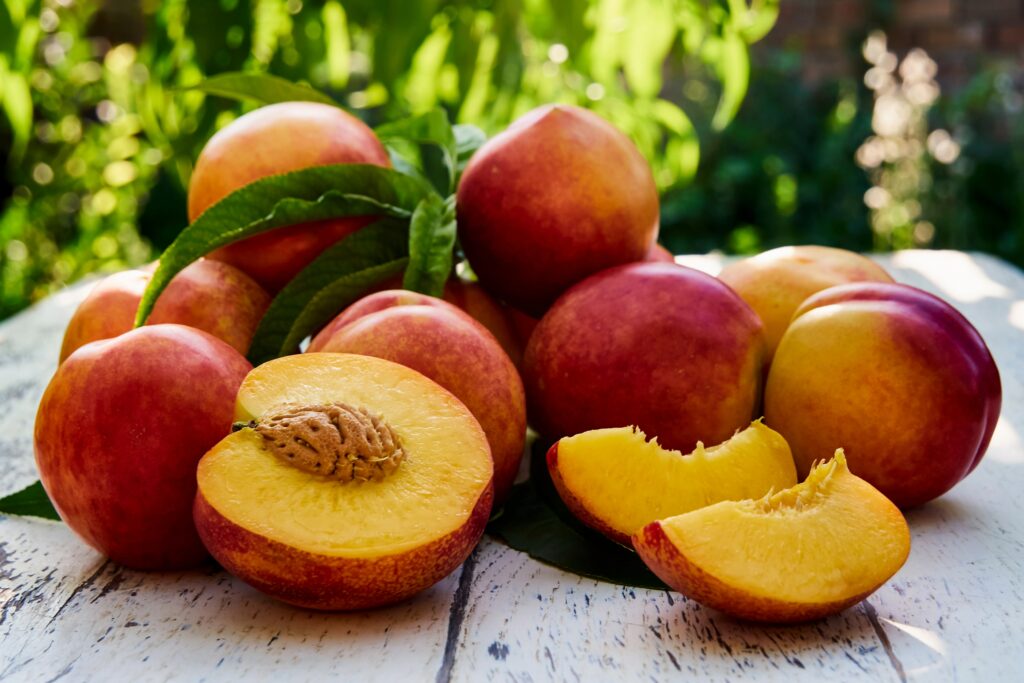
Peaches are at their best through the late summer months, into September, and their nutritional value sits closer to the surface than you might expect.
The skin contains the highest concentration of polyphenols, beta-carotene, and vitamin C. These are compounds that support the body’s antioxidant defence and help protect cells from oxidative damage. The flesh provides potassium, fibre, and smaller amounts of vitamins A and E. Together, they make peaches one of the more quietly nutrient-dense fruits of the summer.
They also require nothing of you. No preparation, no cooking, no recipe. A ripe peach eaten whole, skin on, standing in the kitchen or sitting in the garden, is the simplest version of a food doing useful work without asking for effort in return.
Sunday, 9 August 2026
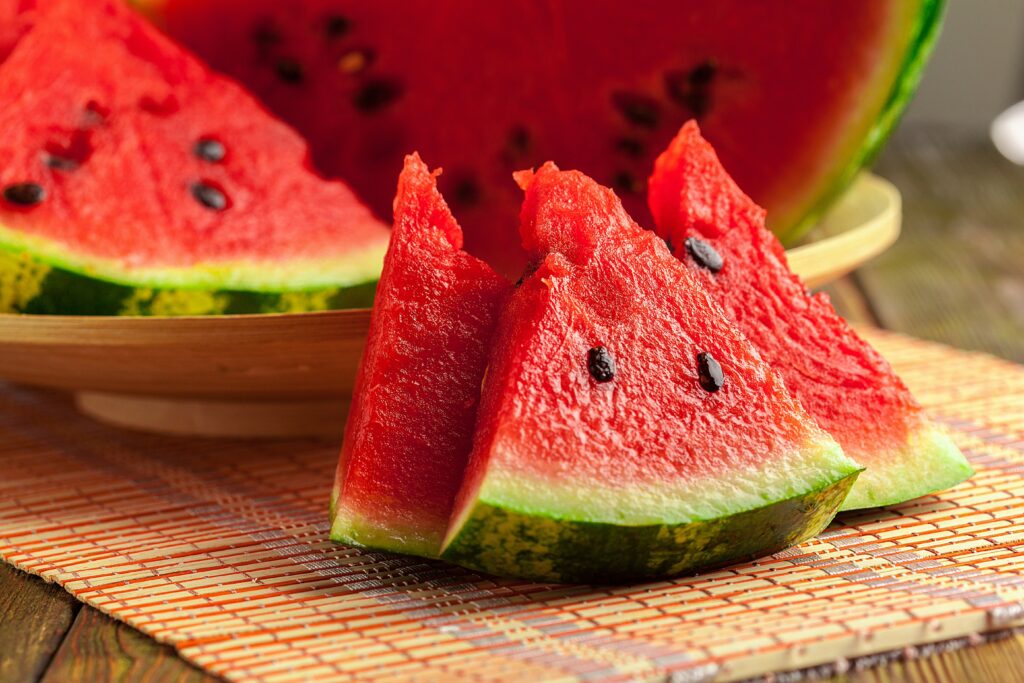
Watermelon is one of the most hydrating foods available, and at the height of summer, that alone makes it worth eating. But the more interesting compound is L-citrulline, an amino acid found in higher concentrations in watermelon than in almost any other food.
The body converts citrulline into arginine, which supports nitric oxide production, the mechanism that relaxes blood vessels and improves blood flow. A meta-analysis of randomised controlled trials found that longer-term watermelon consumption significantly improved vascular function markers.
It also contains lycopene (the same antioxidant found in tomatoes, and similarly more concentrated in the deeper red flesh), potassium, and vitamin C. No preparation is needed, no cooking required. Slice it, eat it cold, throw it in a salad or smoothie, and let it do quietly useful work on a warm afternoon.
Sunday, 2 August 2026
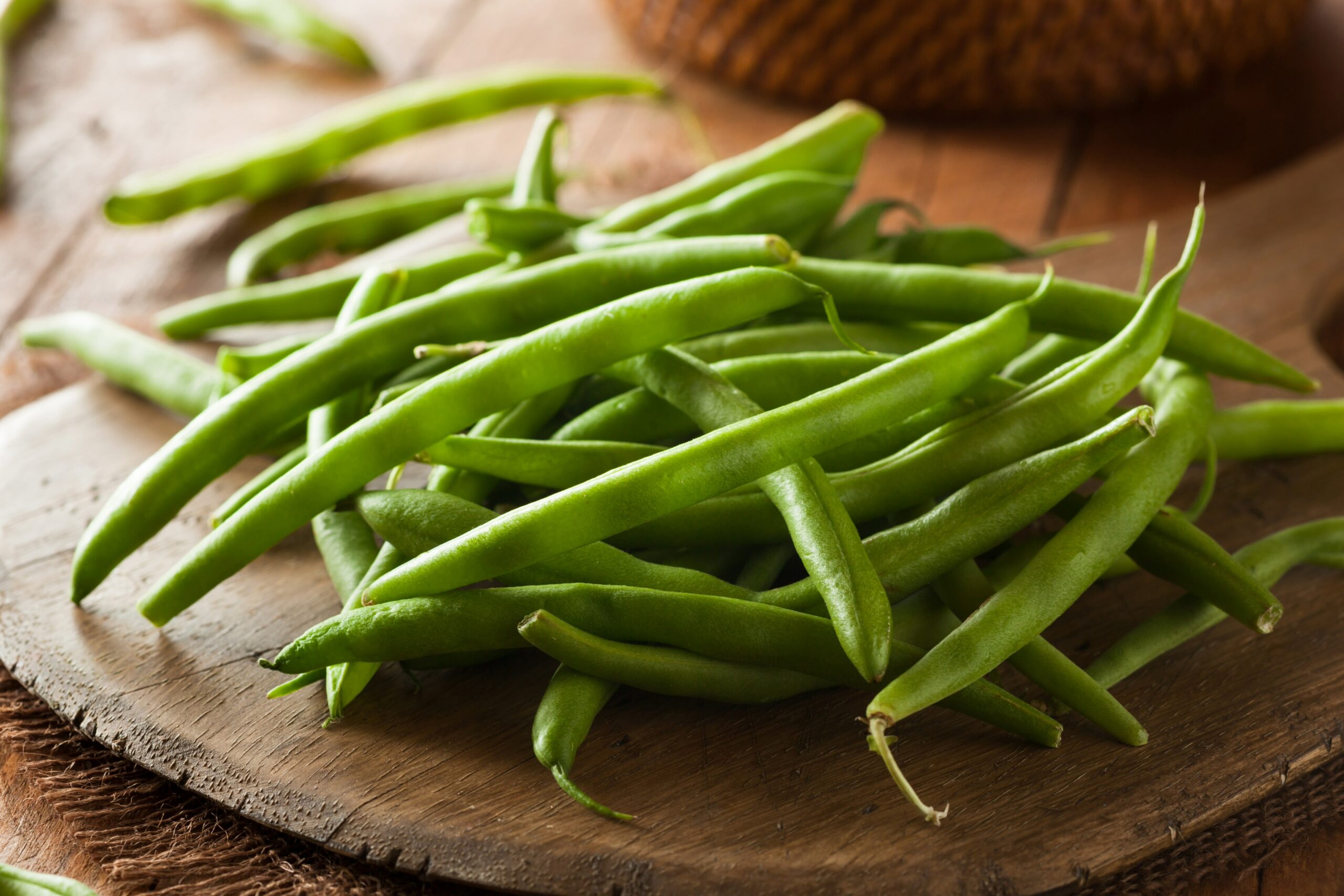
French beans are one of the most prolific summer vegetables, available from July through September, and they carry a nutrient profile that earns more attention than it usually gets. They provide soluble fibre, iron, vitamin K, folate, and potassium.
The nutrient worth highlighting is magnesium. Magnesium is involved in over 300 enzymatic processes in the body, including muscle and nerve function, energy production, and the regulation of the stress response. It is also one of the minerals most readily depleted during periods of sustained pressure, which makes it quietly relevant at this point in the year.
The soluble fibre is worth noting separately. It slows glucose absorption, supports gut health, and contributes to the feeling of fullness after a meal without adding much in the way of calories. French beans take well to a stir-fry, hold their texture when steamed or blanched, and work alongside almost anything already on the plate. They ask very little of you in the kitchen, which in August is no small thing.