The healing properties of food, grounded in research.
If you are not yet subscribed, you can join the Sunday morning read by clicking below.
Sunday, 19 July 2026
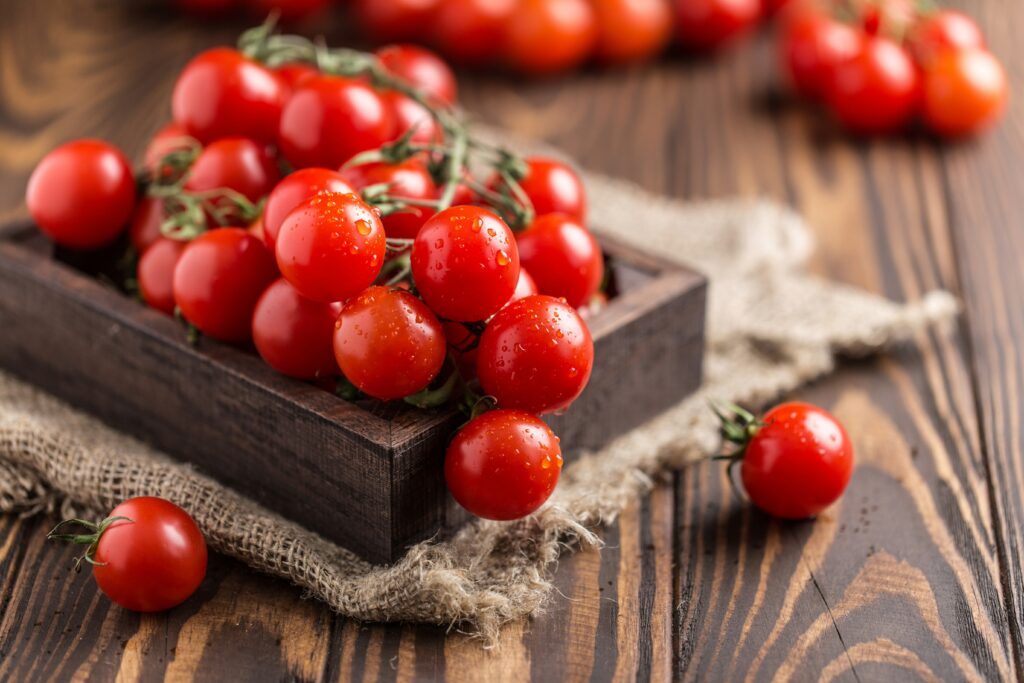
Tomatoes are in peak UK season through July and August, and their standout compound is lycopene (the pigment responsible for their deep red colour). Lycopene is a powerful antioxidant, roughly twice as effective as beta-carotene at neutralising free radicals, and it has been associated in the research with cardiovascular protection through its effect on cholesterol and vascular function.
There is one useful thing to know that changes how much benefit you get from them. Lycopene is fat-soluble and bound within the cell walls of the raw tomato. Cooking breaks those walls down, and adding a source of healthy fat (extra virgin olive oil, coconut oil or avocado oil) helps the body absorb what is released. This is why a slow-cooked tomato sauce, or roasted tomatoes on toast with avocado, delivers considerably more lycopene than the same tomatoes eaten raw. Both are worth eating. But the cooked version is where the real return sits.
Sunday, 12 July 2026
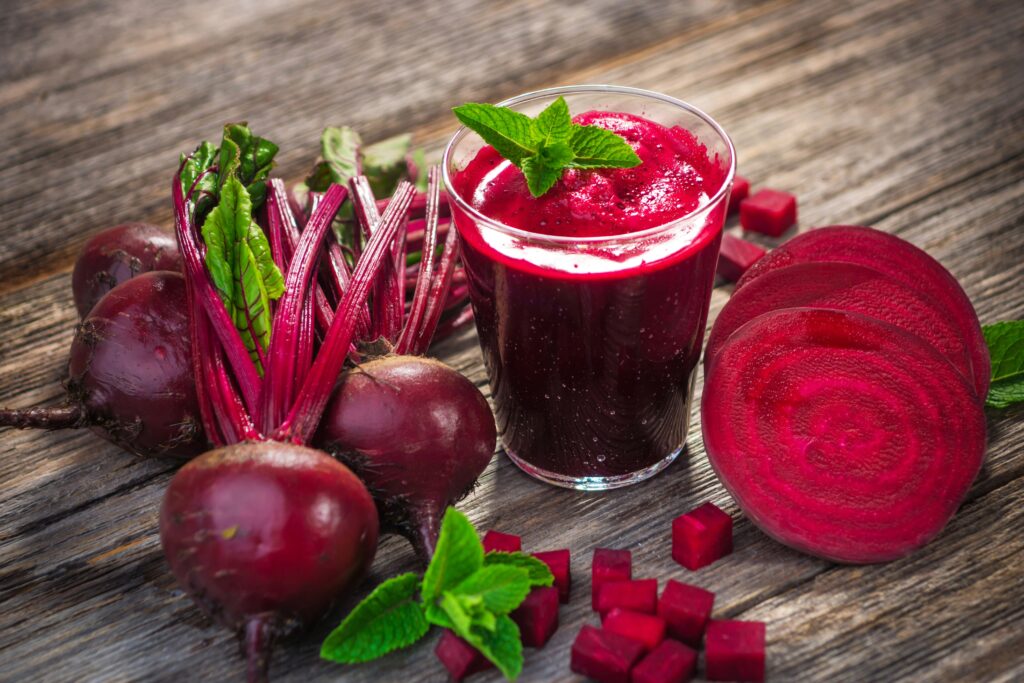
Beetroot is naturally rich in dietary nitrates, which the body converts into nitric oxide. Nitric oxide relaxes and widens blood vessels, which in turn lowers blood pressure and improves blood flow, including to the brain. The evidence is strongest for a single serving before a task, and the effect is measurable within 90 minutes. It is one of the few foods with a well-established physiological mechanism you can feel the same day.
Beetroot is in UK season through August. Roast it with olive oil and salt, grate it raw into a salad with feta and mint, or add it to a smoothie with berries. Cooking does not significantly reduce the nitrate content, which is rare.
Sunday, 5 July 2026
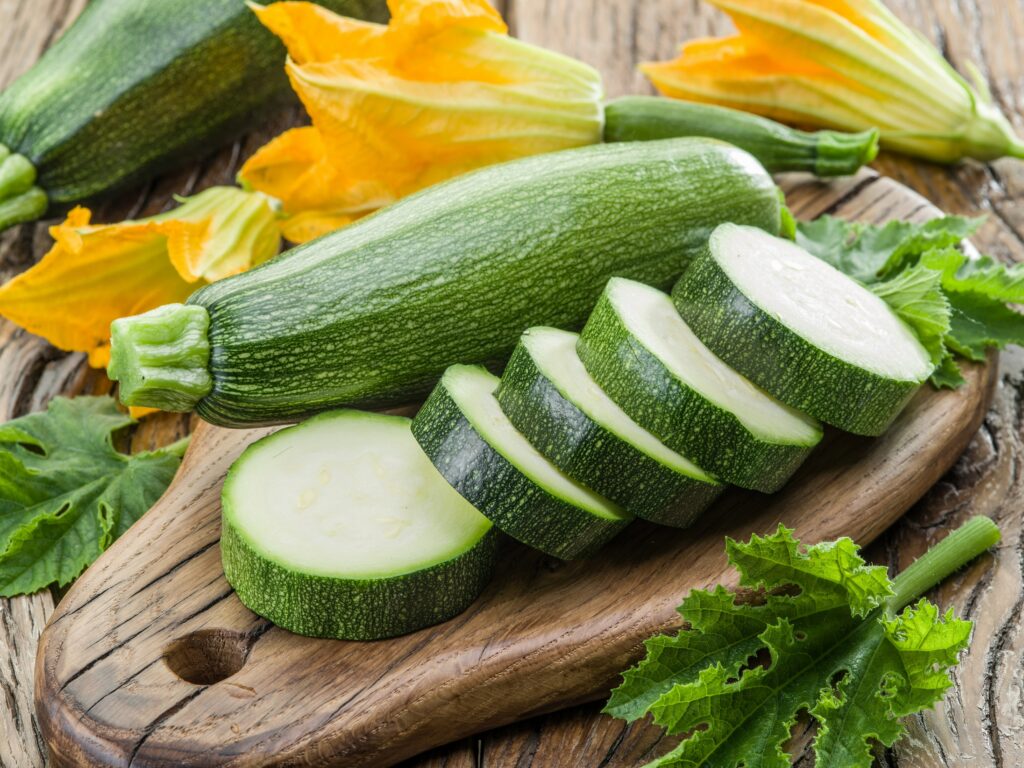
Courgettes are in peak season through July and August in the UK, and they carry a nutrient profile that is easy to overlook because they don’t shout about it. A typical serving provides vitamin C, manganese, potassium, folate, and small but useful amounts of B vitamins. They also contain lutein and zeaxanthin. These are two carotenoids concentrated particularly in the skin, which support eye health and appear across the wider research on cognitive (brain) function.
Their real strength is what they do inside a meal rather than what they are on their own. High water content and soluble fibre make them gently filling without adding weight to a dish, and they take on the flavour of whatever you cook them with, which is why they work as well in a stir-fry with garlic and ginger as they do sliced into a salad, grated into an omelette, or roasted with olive oil and seasoning.
Choose small to medium courgettes where you can. They have a sweeter, cleaner flavour and a more concentrated nutrient profile than the very large ones, which tend to carry more water and less taste. Because the antioxidants sit primarily in the skin, smaller courgettes also give you a slightly better nutritional return per serving.