The healing properties of food, grounded in research.
If you are not yet subscribed, you can join the Sunday morning read by clicking below.
Sunday, 28 June 2026
A single cup of strawberries provides nearly a full day’s vitamin C, along with folate, manganese, fibre, and a particularly rich profile of polyphenols, including the anthocyanins which give the fruit its deep red colour.
The cognitive research is what makes them stand out. In a randomised, double-blind, placebo-controlled trial published in 2023, healthy older adults who consumed the equivalent of two cups of strawberries daily for eight weeks showed a measurable improvement in cognitive processing speed alongside reduced systolic blood pressure and a marked increase in total antioxidant capacity.
The mechanisms behind this are well understood: polyphenols increase cerebrovascular blood flow and modulate the neural pathways involved in memory and attention.
They are also one of the easier foods to add into a summer week. A handful with breakfast, sliced into a salad with feta and black pepper, or eaten straight from the punnet on a walk. They are at their best now, locally grown, and quietly doing more for your brain than most things you might take from a supplement aisle.

Sunday, 21 June 2026
Broad beans, also known as fava beans, are in peak UK season from late spring through July, and they carry a stronger nutritional profile than most people realise. They are a nutrient-dense food providing plant protein, fibre, folate, magnesium, iron and B vitamins. These are nutrients that play important roles in energy production, blood sugar stability, methylation, and cognitive function.
The plant protein in broad beans helps you feel satiated for longer and supports a steadier glucose curve, and the fibre is an added benefit, slowing glucose absorption and keeping blood sugar more stable.
They are also versatile enough to fit into how most people actually eat. Lightly blanched and tossed through a salad, blitzed with olive oil, garlic and lemon as an alternative to hummus, or added to a stir-fry. They are one of the most underrated foods of the British summer.

Sunday, 14 June 2026
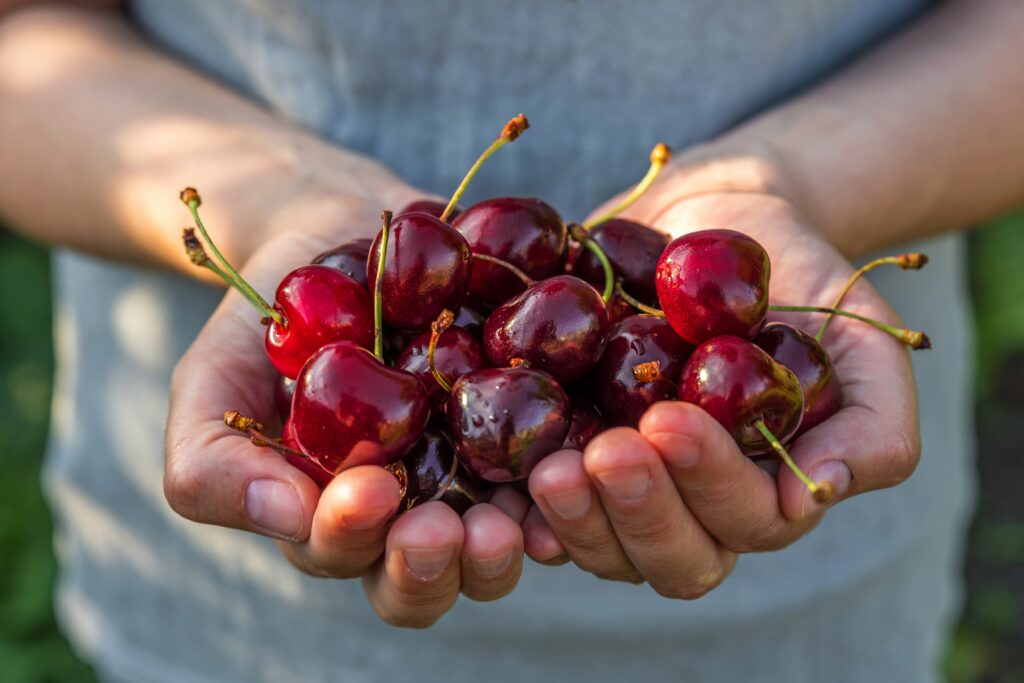
Tart cherries are among the richest fruit sources of naturally occurring melatonin, and the most extensively studied in clinical trials. In a randomised controlled trial, participants who consumed tart cherry juice concentrate for seven days slept around 40 minutes longer on average and showed a measurable increase in circulating melatonin levels compared to a placebo group.
A 2025 systematic review of seven interventional studies confirmed the pattern: tart cherry consumption was consistently associated with improvements in sleep duration, sleep efficiency, and melatonin levels. The active compounds responsible for melatonin are anthocyanins (the pigments that give the fruit its deep colour and which have anti-inflammatory properties) and tryptophan, a precursor to serotonin.
UK cherries are in season now through August. The tart variety (Montmorency is the one most studied) is what the research uses, but sweet cherries carry many of the same compounds in smaller concentrations. A small bowl in the early evening is the simplest approach.
Cherry juice concentrate, diluted in water, also works equally well and is widely available. When cherries are juiced, the phytochemicals become more readily absorbed than they are from whole fruit. The thing worth checking is the label: a concentrate with added sugar is a different product. Look for one where tart cherry is the only ingredient.
Sunday, 7 June 2026
A study covered widely in mainstream media this week looked at around 600 healthy adults and measured levels of two B vitamins, B12 and folate (vitamin B9), alongside fatigue and motivation. The finding was clear: lower levels of both vitamins were associated with higher fatigue.
In men, the deficiency showed up primarily as physical fatigue. In women, it showed up as a loss of motivation. Not exhaustion in the conventional sense, a quieter depletion. Less drive. Less forward movement. The kind of thing that is easy to attribute to stress or busyness rather than nutrition.
Both vitamins are involved in nerve function, red blood cell production and the metabolism of homocysteine (an amino acid that builds up in the blood when B12 and folate are low). The research cannot prove causation, but the association is consistent and the practical implication is straightforward: if you are feeling persistently drained or unmotivated, it is worth checking what you are eating before assuming the cause is purely psychological or circumstantial.
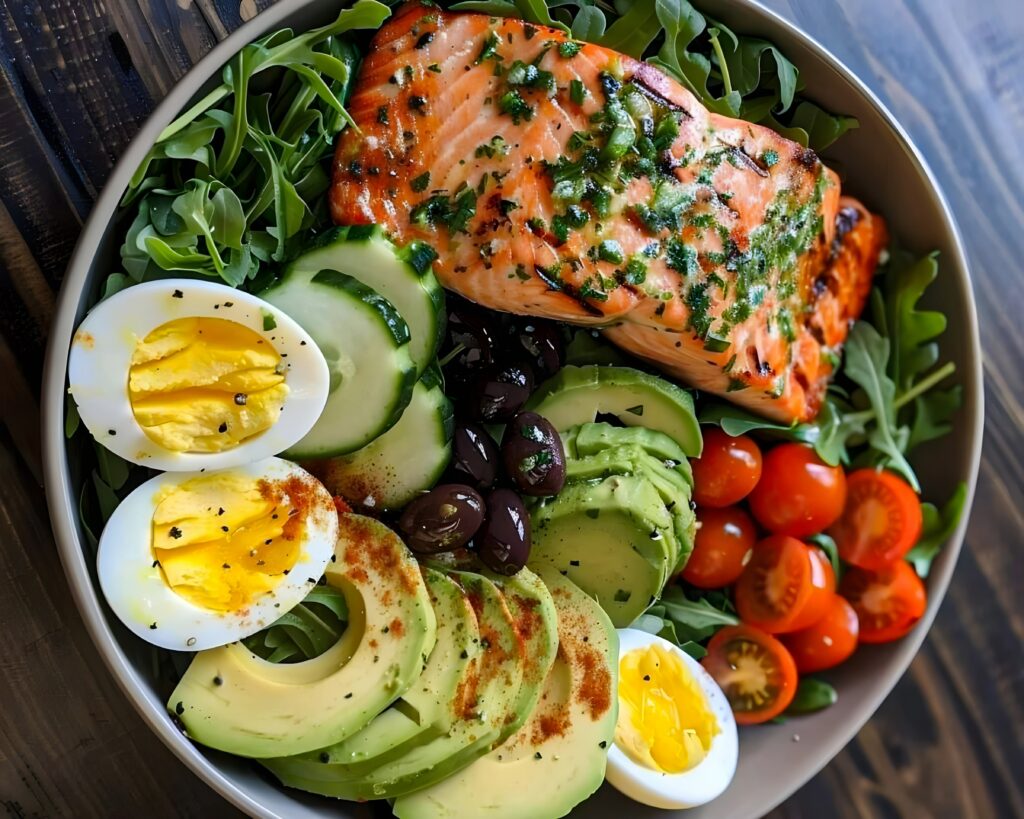
B12 is found in fish, poultry, meat, eggs and dairy. Folate is found in leafy greens, beans, lentils, asparagus, citrus fruits and avocado.